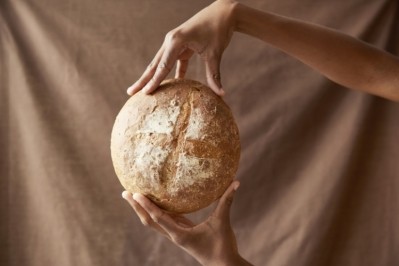
Months of torrential rain has left UK millers in a soggy situation, with a waterlogged wheat harvest predicted to be down by 30%, which could force millers to rely on imports and ultimately spike the price of bread.
This groundswell movement has been gaining popularity, not only with farmers, but also with policymakers, scientists and the public as the consequences of over-farming have become apparent and the need to be more sustainable come to light. What does it...
As shoppers grow more discerning about the impact of what they consume, the bakery industry is increasingly under pressure to source sustainable ingredients. In recent years, regenerative agriculture (RegAg) has emerged as the ultimate growing method...
Peanut Butter Buttons is the topping for Popcorn Kitchen’s latest home popping creation; Sara Lee has developed a fat- and cholesterol-free Strawberry Angel Food Cake for foodservice operators; and McVitie’s is running the £1m ‘The Great Biscuit Break...
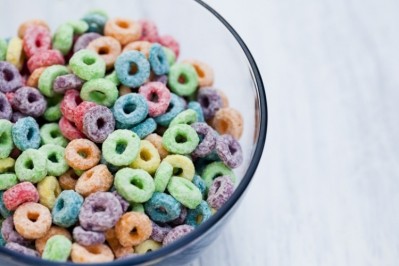
More than 80,000 consumers have added their names to a petition by food activist and one of Time Magazine’s 2015 ‘most influential people on the internet – Vani Hari (aka Food Babe) – urging Kellogg’s to eliminate synthetic additives from its breakfast...
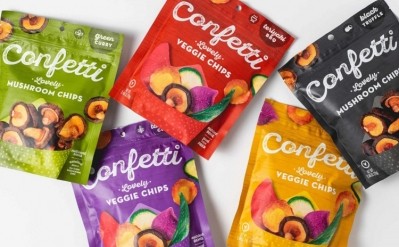
Confetti Snacks wowed the judges at the coveted event held at SNAC International’s SNX 2024 in Dallas, Texas, last week. This is just the beginning of an exciting journey, which sees Mickey Mouse, a featurette in an Emmy-award doccie and a dip on the...
Ginsters’ Breakfast Roll is new take on a sausage roll, packed with favorite breakfast ingredients; gluten free brand Mrs Crimble’s has launched its most indulgent product; and the Aquaman actor is putting his might – and love of the environment, travel...
The ABA’s 2024 Convention in Scottsdale, Arizona, is set to kick off tomorrow, promising an array of activities, workshops and networking opportunities. We caught up with Eric Dell, president and CEO of ABA, to get the inside scoop on what attendees can...
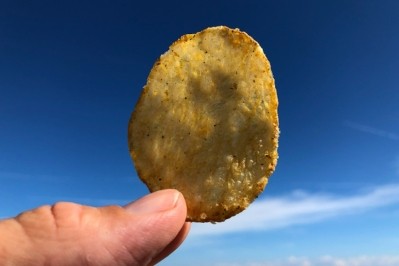
JimmyAsh is rolling out its flagship Go Free potato chips that punch in with 70% less fat and 25% fewer calories than traditional chips; Double Good is donating 50% of product sales to benefit children with diverse learning needs; and Pepperidge Farm...
While consumer interest is peaked by international flavors not widely known, they’re also looking for something familiar, like cinnamon, mac ‘n cheese, sweet potato and pork. We take a dive into T. Hasegawa’s April Flavor Flash.
The post-pandemic cost-of-living crisis is far from over, which is hampering consumer desire to follow a dedicated health and wellbeing journey. But just how much is it being impacted and what can brands do to ensure repeat purchases?
Unsurprisingly, the current state of play in the US is causing deep concern in the food industry: especially for those producers that sell products across multiple states. It's turning into a quagmire to stay ahead of the latest regulatory developments...
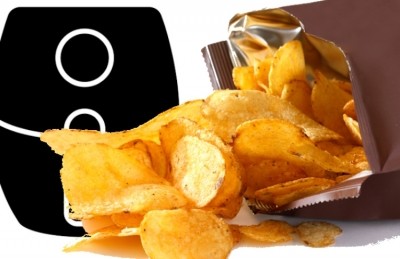
A Californian resident has filed a class action against Campbell Soup Company, alleging it has misled consumers into believing its Kettle Brand Air Fried potato chips have not seen a lick of oil.
Plamil Foods has unveiled a bar made from whole coffee beans instead of cocoa beans; BakeAway has partnered with Myprotein to develop a protein pancake for the UK market; and Crisp Power is a low-carb, protein-packed, plant-based snack expected to shake...
On April 14, five finalists will compete in the third biennial pitch competition for emerging snack brands at SNX 2024, designed to spark dialogue among snack producers.
Ancient grains are slowly making a comeback – fueled by the growing better-for-you and better-for-the planet demands among consumers – but the formulation challenges continue to keep their use low in the bakery field. A new study has revealed some hacks...
It’s bizarre to think that like fashion or food, there are emerging trends in the social impact and philanthropy spaces, but as C.D. Glin, global head of Social Impact at PepsiCo and president of the PepsiCo Foundation says, it’s the pointedness and emphasis...
From Cadbury Mini Eggs Chocolate Cookies to a Popcorn Easter Egg, there’s certainly a bounty available for chocoholics. But Easter isn’t all about chocolate, so we’re also shining a spotlight on better-for-you Welch’s Fruit ‘n Yogurt Eggs, a Moist Supreme...
California, New York, Illinois, Missouri, Washington State, South Dakota and now Pennsylvania. Like a domino run gaining pace, states across the US are joining the brewing skirmish to wrest control of food additive regulation from the feds.
Better-for-you NPD is high on the priority list for producers in 2024, driven no doubt by reports of growing concern among consumers that ultra-processed foods (UPFs) are damaging for personal health and the environment.
Hot on the heels of Assembly Bill 418 to ban the sale of four food additives in California, a state lawmaker has proposed another first-of-it-kind bill to veto foods containing synthetic dyes from being sold in schools. Is this the end of the rainbow?
There’s a lot of celebration going on: from National Potato Chip Day to Easter, Feaster (a new, casual Friendsgiving of Spring) and the 2024 NCAA Men’s and Women’s Basketball season. And what’s best to bring out the most of these celebrations? Well, baked...
UK food and farming charity Sustain and the Real Bread Campaign have published ‘Bake Your Lawn’ – just in time for spring wheat sowing and planning ahead for winter wheat planting – to inspire breadmakers (be they budding ones or professionals) to grow...
‘We know from evidence that measures to transform the food environment are more likely to be effective in improving diet – and reduce health inequalities – than measures aimed at encouraging individuals to change their behavior, said Scotland’s Minister...
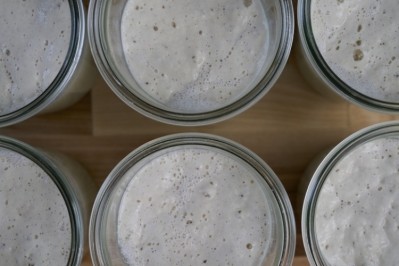
A sourdough starter is like a fingerprint: no two are the same. With the view to one day intentionally being able to engineer the starter to have the desired health outcomes, a collaborative team of US researchers is breaking down the complexities.
The March snack box from Sakuraco embraces Japan’s breathtaking sakura (cherry blossom) season and Pringles is bringing its Honey Mustard crisps back to the snack aisle after thousands of fans took to social media asking for the tasty return. We're...
The new year brings new consumers attitudes and behaviours, however, Bakery&Snacks learned that some of the biggest trends to impact 2023 are expected to continue shaping the bakery and snacks sectors in 2024.
There certainly is a desire for baked goods that are better-for-you, but consumers are not prepared to sacrifice on taste. There’s also a growing desire for sustainable options, but how is that fairing in the current economic climate?
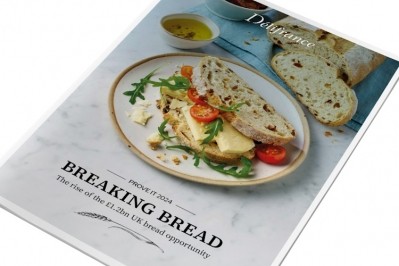
Brits’ love of bread shows no sign of slowing down and with the market forecast to rise 15% in value in the next two years, there’s a huge opportunity for bakers, foodservice operators and retailers to take a slice of this growth.
Research reveals consumers believe a little bit of luxury is crucial for their mental wellbeing, which, in turn, has an impact on their overall health. But they’re increasingly demanding indulgent moments that won’t hinder their healthy diet.
Gut health, fermentation, plants and the classics will dominate the headlines this year, according to Puratos’ proprietary Taste Tomorrow ‘always-on’ research program. But there’s more in store, too.
Conscientious consumers increasingly seeking out healthier, more sustainable snacks, which presents major opportunities for innovation. But what are these shifting consumer values?
Industry veteran Martin Otto and founder of FUBU and star of Shark Tank Daymond John are among the SNX 2024 speakers who will focus on industry trends, how to make it in an increasingly crowded space, artificial intelligence, the regulatory landscape...
The discovery of what activates the gene that forces potatoes to convert starch into sugar when they’re stored in cold storage is a significant leap forward for the savory snacks industry.
Researchers from the global taste and nutrition specialist annually conduct a deep dive into market and consumer trends using tech like artificial intelligence (AI), natural language processing (NLP) and social media to track the flavors predicted to...
Southern Recipe Small Batch is capitalizing on the growing appeal of BBQ; three iconic brands have come together to bring the savory nuances of cheese and chilli to smoky meat snacks; and Fresh Direct has turned a potential negative into a delicious product.
Matthews Cotwold Flour has joined an impressive list of farming and food organisations to throw their might behind Six Inches of Soil, which is challenging the status quo of a ‘broken’ food system.
A study by the Environmental Working Group (EWG) has brought a lesser-known chemical into the spotlight – used by the agricultural industry to optimise yield and harvest – but it comes with a warning.
The launch of a range of AI-developed breads in flavors that invoke the feelings associated with love prompted an deeper search to find out what impact artificial intelligence is having on the bakery sector.
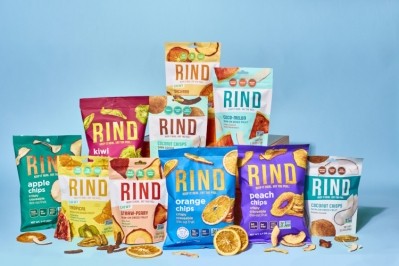
Six-year-old Rind Snacks has made its first acquisition, designed to evolve it from a dried fruit brand into a vertically integrated healthy snack platform.
Birds Bakery is showing the love with a limited edition range of treats to share with that special someone; Royal Lancaster London is hosting an extra special Valentine’s Afternoon Tea; and Bridor is dialing up the flavor – and therefore the swoons. But...
The 25th edition of Sirha Europain was a roaring success, with attendance up 27% (32,000 visitors) and the return of international buyers (17% came from abroad) attracted by the show’s focus on French bakery and snacking (or bakery catering). Much was...
In a strategic move it hopes will ‘revolutionize product development’, networked ingredient marketplace TraceGains has acquired NutriCalc, renowned for its highly accurate nutritional calculation software.
As well as celebrating making real bread by hand, the Real Bread Campaign is using this year’s event to inspire people to bring out the neglected breadmaker from the back of the cupboard.
While the global franchise company’s 18-brand portfolio – including cookie cake delivery service Great American Cookies and handmade pretzel QSR Pretzelmaker – is deeply rooted in charitable initiatives both locally and nationally, the Foundation was...
A greater focus on the health of the planet is placing emphasis on the baker’s responsibility in where, what and the way in which they source ingredients, along with the processes they adopt and, most importantly, their creation’s health halo. While bread...