Peanut Butter Buttons is the topping for Popcorn Kitchen’s latest home popping creation; Sara Lee has developed a fat- and cholesterol-free Strawberry Angel Food Cake for foodservice operators; and McVitie’s is running the £1m ‘The Great Biscuit Break...
More than 80,000 consumers have added their names to a petition by food activist and one of Time Magazine’s 2015 ‘most influential people on the internet – Vani Hari (aka Food Babe) – urging Kellogg’s to eliminate synthetic additives from its breakfast...
From Cadbury Mini Eggs Chocolate Cookies to a Popcorn Easter Egg, there’s certainly a bounty available for chocoholics. But Easter isn’t all about chocolate, so we’re also shining a spotlight on better-for-you Welch’s Fruit ‘n Yogurt Eggs, a Moist Supreme...
Hot on the heels of Assembly Bill 418 to ban the sale of four food additives in California, a state lawmaker has proposed another first-of-it-kind bill to veto foods containing synthetic dyes from being sold in schools. Is this the end of the rainbow?
There’s a lot of celebration going on: from National Potato Chip Day to Easter, Feaster (a new, casual Friendsgiving of Spring) and the 2024 NCAA Men’s and Women’s Basketball season. And what’s best to bring out the most of these celebrations? Well, baked...
The March snack box from Sakuraco embraces Japan’s breathtaking sakura (cherry blossom) season and Pringles is bringing its Honey Mustard crisps back to the snack aisle after thousands of fans took to social media asking for the tasty return. We're...
A study by the Environmental Working Group (EWG) has brought a lesser-known chemical into the spotlight – used by the agricultural industry to optimise yield and harvest – but it comes with a warning.
Enzymedica has made its debut in the functional foods category with Fiber+ Cookies; Puratos’ latest innovation is a living sourdough made with regeneratively farmed flour from UK-based Wildfarmed and Cheerios is reminding people to take care of their...
Steve Burgess, GM, Europe for TNA Solutions, busts the bad reputation of ultra-processed foods (UPFs) and highlights how producers can attract health-conscious consumers.
Yes, the bakery industry is facing numerous challenges, but there are also ample opportunities for bakery manufacturers can tap into, including the consumer’s increased focus on positive nutrition claims, which often surprisingly, negate the push to reformulate...
The introduction of Eat Your Mouth Off aligns with WK Kellogg Co’s strategy to diversify its portfolio in response to shifting consumer preferences – particularly the new fringe generation – towards plant-based, but still protein-heavy, better-for-you...
WK Kellogg – the cereal-focused spinoff of Kellogg’s – is in line for a slew of financial incentives from Michigan state, which will help the company retain hundreds of jobs in Battle Creek.
Today, the majority of European adults do not meet the recommended daily intake of dietary fibre. Worse still, more than half of the population largely overestimate their intake of dietary fibre, even though a consumer observatory run by the ingredient...
Proceeds from the Kind x Little Words Project Live Kind bracelet bundle go to FoodCorps; 10p from the sale of every Pukka Christmas Dinner pie goes to the Trussell Trust; Christmas pud is still on the menu for the majority of Brits; the Cookie Shot ‘glass’...
Consumer research by Tate & Lyle reveals almost half of 18-34-year-olds across the UK and Europe tuck into a sweet or savoury baked treat daily. A third of consumers aged 34 and above are doing the same.
Kellogg’s, General Mills, Nestle USA and Kraft Heinz are seeking more than $110m in damages from US egg producers accused of artificially inflating prices.
Despite being approved by the FDA, potassium bromate, propylparaben, red 3 and brominated vegetable oil (BVO) used in breads, candy baked goods and cake decorating gels will be banned in California in 2027. Here's what you need to know
The Kellogg Company has split into two separate, publicly traded companies - WK Kellogg Co and Kellanova - effectively to ‘create substantial value for shareowners’, however, shares of both fell in their first day of trading after the separation.
The Mexican bakery giant has opened applications for the second round of its Bimbo Open Door Platform, designed to leverage the creativity of startups to boost its presence and competition within the global biscuit and energy bar sectors.
The public-private partnership is the first of its kind in Africa, bringing together the three F&B giants with Kenya’s Government and other partners to make life better for millions of the country’s emaciated children with a ready-to-drink ‘super...
Since 2011, the Special K, Coco Pops and Krave maker has reduced the sugar and salt content - 18% and 23%, respectively - across all its cereals, while increasing fibre by 20%. Furthermore, its children’s cereals have also seen sugar drop by 36%, salt...
BeyondSKU CPG Accelerator has announced the five startups for its upcoming Fall ’23 track, including woman-owned Dam Good English Muffins that’s committed to revolutionising the English muffin market and Pinsa Love, which provides pizzeria-quality pizza...
Despite huge strides made by UK cereal sector to reduce sugars, the health watchdog has found that many dressed up in child-appealing packaging still contain ‘excessive amounts’.
The two, separated entities of the Battle Creek, Michigan-headquartered behemoth have unveiled their respective strategies, capital structures and financial outlooks ahead of the split during the fourth quarter of 2023.
The Cheez-It, Frosted Flakes and ‘Together with Pride’ cereal maker - which is on track to complete the split into Kellanova and WK Kellogg Co during Q42023 - has been accused of ‘woke’ workplace diversity policies that are unlawful and for ‘sexualising’...
Kellogg UK has pledged to uphold the voluntary Arms Forces Covenant, which decrees that those who serve or who have served in the armed forces should be treated with fairness and respect.
From porridge that will undoubtedly grow hairs on your chest to the Lorne sausage, Arbroath smokie, Aberdeen rowie and skirlie, the Scots certainly know how to put together a good bourie to break the morning fast. Kellogg’s is now asking the nation to...
In partnership with Food Standards Scotland (FSS), Food and Drink Federation (FDF) Scotland has developed the Healthier Bakery Fund, which provides funding of up to £5,000 to support health reformulation of sweet and savoury bakery products. But to be...
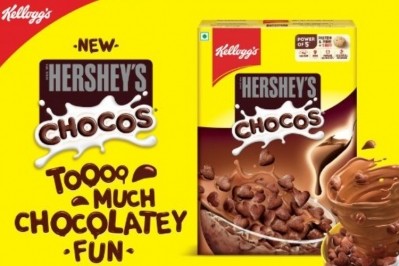
The breakfast cereal giant has joined forces with one of the largest chocolate manufacturers in the world to launch Kellogg’s Hershey’s Chocos on the Indian market.
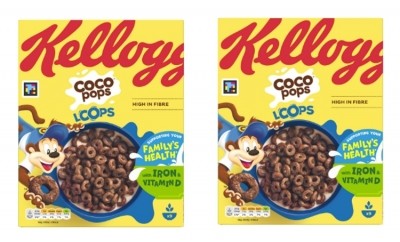
After losing its 2022 court case against the UK Government's high in fat, salt and sugar (HFSS) guidelines, the breakfast cereal giant is making sure its best-selling kids’ cereal brand is on point with yet more HFSS-compliant introductions.
From 100% sustainably sourced palm oil to slashing food waste internally by 25% to upping the diversity mix across its executive leadership, the Oreo maker is on track with its mission to lead the future of more sustainable snacking.
Empire Screen Printing - a pioneer of UV LED ink curing technology - prides itself on using environmentally friendly print methods to create eye-catching point-of-purchase (POP) products.
Labour leader Sir Keir Starmer has ruled out imposing a tax on HFSS (high in fat, sugar and salt) foods, but promises to ban the advertising of ‘harmful’ junk food and sugary snacks to children if his party is elected to power.
Grupo Bimbo SAB de CV acquired Natural Bakery in Winnipeg, Canada, and made a minority investment in Delaware-based Olyra Foods during its first quarter, which saw net profit down 9.4%, citing the sale of its confectionary business in the same quarter...
Sensient Savory Flavors France has cracked the code in delivering an innovative extract to boost the taste of a multitude of savoury and plant-based treats. Best of all, the portfolio will resonate with consumers on every level.
The breakfast cereal and snack giant is on track to achieve its 2025 ED&I goals (equity, diversity and inclusion), noting a 1.3% increase in female representation and 22.7% rise in racially underrepresented talent at the end of 2022.
The Cheerios, Lärabar and Pillsbury brand owner has announced several new partnerships and initiatives as part of its commitment to advance regenerative agriculture methods across one million acres of US farmland by 2030.













!['Everybody is eating bread … so this was the idea to improve the diet of people [around] the world.'](/var/wrbm_gb_food_pharma/storage/images/_aliases/news_teaser_medium/publications/food-beverage-nutrition/bakeryandsnacks.com/news/industry-voices/limagrain-ingredients-is-on-a-mission-to-bridge-the-fibre-gap-with-the-globally-accepted-staple-white-bread/16965237-1-eng-GB/Limagrain-Ingredients-is-on-a-mission-to-bridge-the-fibre-gap-with-the-globally-accepted-staple-white-bread.jpg)