


Key takeaways:
- Health is becoming more targeted, with snacks designed around specific benefits like gut health, protein and sustained energy.
- Consumers still want indulgence, pushing brands to deliver flavour and texture alongside cleaner ingredients and lower sugar.
- Functionality now needs to fit real life, with portable, convenient formats driving much of the latest innovation.
What’s striking in the latest launches is how little tolerance there is for compromise. Taste still matters, but so does ingredient clarity, functionality and how easily a product fits into real life – lunchboxes, gym bags, commutes or quick desk-side breaks.
There’s also a noticeable shift toward specificity. Instead of broad ‘healthy’ claims, brands are zeroing in on targeted benefits: gut health, blood sugar balance, fibre intake or sustained energy. That sharper positioning is helping products stand out in an increasingly crowded space.
And importantly, they’re not giving up on taste to get there. Chocolate, fruit, caramel, soft-baked textures are still doing the heavy lifting. The difference is what’s sitting underneath.
Gut health and fibre

Bio&Me’s latest pistachio launches lean straight into the gut health conversation, but without overcomplicating it. Pistachio & Vanilla Low Sugar Granola and Pistachio & Chia Overnight Oats (both £3.50, Tesco and bioandme.co.uk) are built around plant diversity – 12 to 14 ingredients per SKU, from chia seeds to oats to pistachios. No artificial sweeteners, no filler ingredients, just a fairly direct play on fibre and prebiotics.
“Pistachio is having a real moment, and it’s easy to see why,” notes founder Dr Megan Rossi. “Not only do they bring a naturally delicious, creamy flavour, they’re also rich in gut-loving prebiotics and plant protein, keeping you satisfied for longer with a nourished gut microbiome.”
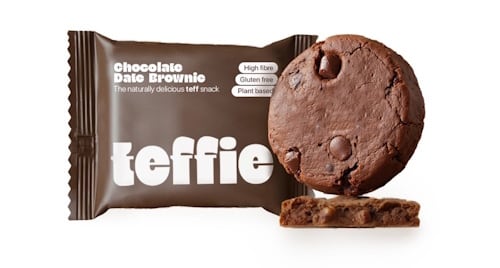
Teffie goes further down the fibre route with teff, still relatively under the radar in the UK. Its Chocolate Date Brownie (£2.50 from Our Co-op) is soft, sweet and very clearly positioned as a treat but one built on a low-GI, high-fibre grain. No refined sugar, no artificial sweeteners, and a format that feels familiar rather than worthy.
Then there’s Biotta Beetroot Juice (£4.49, avogel.co.uk), which hits many of the same needs. The 100% organic juice is lacto-fermented, which supports the production of gut-friendly lactic acid, while also providing naturally occurring iron and nitrates linked to oxygen uptake and stamina.
Protein with a point
Protein is still front and centre, but brands are pairing it with other functional benefits to make the proposition feel more complete.
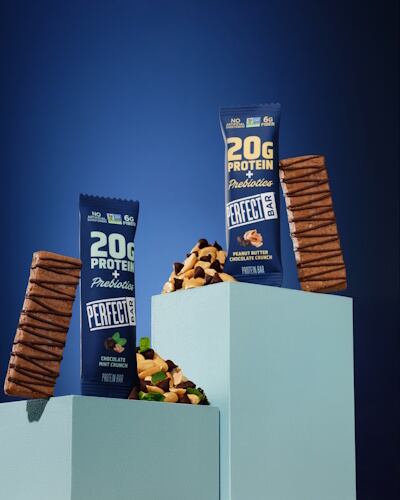
Perfect Snacks’ Protein + Prebiotics bars combine 20g of protein with prebiotic fibre and more than 20 whole food ingredients. The refrigerated bars, available via Amazon and TikTok Shop, avoid artificial sweeteners and preservatives, instead using peanut butter, grass-fed whey and organic honey. Flavours include Peanut Butter Chocolate Crunch and Chocolate Mint Crunch.
“People shouldn’t have to sacrifice quality when choosing a high-protein snack option,” says CEO Cara Liebrock. “We set out to prove that high-protein bars can be made with simple, recognizable ingredients.”
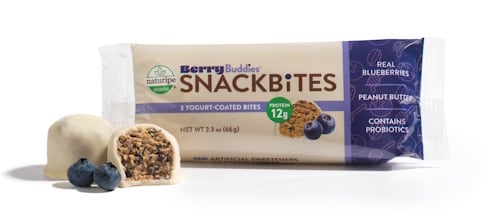
Naturipe’s SnackBites take a different approach. Smaller format, fruit-led, and less overtly ‘functional’ in feel. Each bite delivers 4g of protein alongside a probiotic (BC30), but the hook is blueberries and a softer, fresher eating experience. It’s positioned more as something you’d reach for without thinking too hard about it. “SnackBites hit that sweet spot: real ingredients, satisfying flavor, and a serious nutrition boost,” sums up VP Steven Ware.

Day Out Snacks pushes protein into dessert territory – Brownie Batter, Cookie Dough, Cinnamon Bun – but backs it up with a solid nutritional profile: 12g protein, 4g fibre, plant-based ingredients. Single packs land at $3.49 in Dierbergs, with Costco carrying larger formats.
Nākd keeps things stripped back with its Protein Cherry bar. Launching in Sainsbury’s, the bar contains 6g of plant-based protein, no added sugar and 100% natural ingredients. It’s priced at £1.38 for a single bar or £3.30 for a three-pack, with cherry providing a lighter alternative to the category’s typical chocolate-heavy line-up.
There’s also crossover into more traditional confectionery formats. Luker Chocolate’s new whey protein-infused chocolate, for example, delivers 5g of protein per 30g serving while maintaining a classic chocolate texture and flavour, signalling how protein is starting to show up in less expected places.

Cheeky Pete’s is taking a slightly different angle, focusing on metabolic health. Its new children’s cereal delivers 18g of protein per bowl, alongside soluble fibre and no seed oils or artificial sweeteners. Priced at £4.75 and available via Amazon and other retailers, it’s positioned around avoiding the mid-morning energy crash rather than simply boosting protein intake.
Cutting sugar without killing the mood
Reducing sugar remains a priority, but brands are focusing on how to do it without stripping away enjoyment.
Good Good has built a sizeable business on that idea, offering no added sugar jams and spreads that still lean into familiar formats. Fruit-first recipes, no concentrates, and now 15,000 retail listings globally. It’s not trying to reinvent the category – just clean it up.
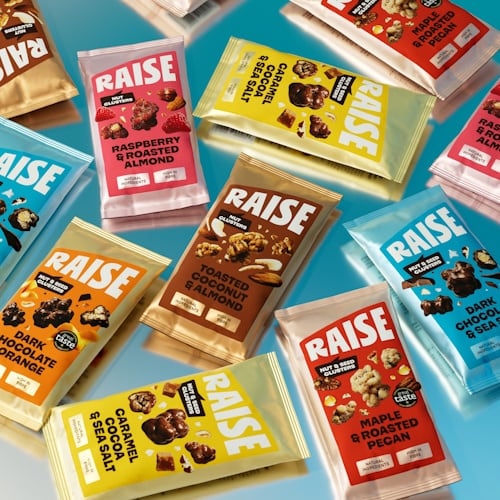
Raise Snacks does something similar with its nut and seed clusters (£1.25, Sainsbury’s and Ocado). Under 5g sugar per pack and packed with protein, fibre and antioxidants, but still positioned around flavour – dark chocolate, maple pecan, caramel. The messaging is ‘no trade-offs’, which feels about right. It also taps into the growing demand for snacks that feel less processed, with short ingredient lists and recognisable pantry staples doing much of the appeal.
Stellar Eats goes after the treat occasion more directly. Its Fudge Brownie in a Cup is a microwaveable, single-serve mix that’s grain-free and sweetened with coconut and date sugars. Still indulgent, just with 40%-60% less sugar than you’d expect.
Even kids’ snacking is shifting. The Tuck Company’s bars – Apple & Cinnamon, Lemon & Blueberry and Carrot & Raisin – are nut-free, gluten-free and dairy-free, with a focus on simple, recognisable ingredients and natural sweetness. The positioning leans heavily on ‘homemade feel’, which says a lot about where the category is heading.
Snacks that still crunch
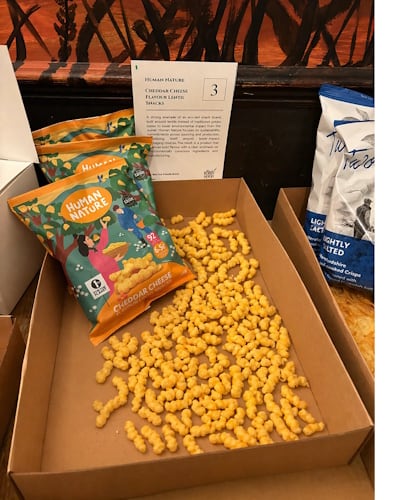
Healthier snacking isn’t limited to bars and bites with crisp alternatives continuing to evolve too.
Human Nature’s pea-based Smoky Barbecue snacks and vegetable crisps recently picked up awards at the UK Independent Crisp Tasting Championships, including ‘Healthiest Crisp’. The range focuses on vegetable and pulse bases rather than traditional potatoes, offering a different nutritional profile while still delivering the crunch consumers expect.
Hydration that does a bit more
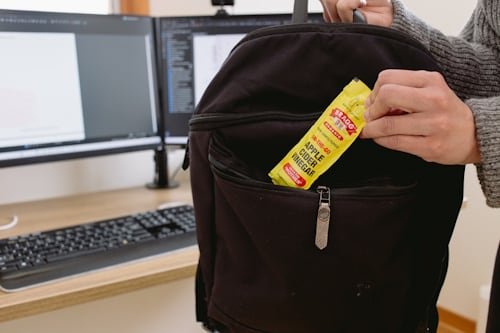
Functional benefits are increasingly showing up in drinks designed to slot into everyday habits.
Bragg’s Apple Cider Vinegar Pouches take a familiar wellness ingredient and make it portable. Sold in six-packs at Walmart for $7.99, the pouches contain organic apple cider vinegar with the live ‘Mother’ in flavours such as Citrus Ginger and Honey Cayenne – all designed to slot into a routine rather than disrupt it.
Q Mixer’s Q Refreshers leans more into the soft drinks space, but with added electrolytes and vitamins in a sparkling format. Each 7.5oz can contains Vitamin C, B vitamins and minerals including potassium and magnesium, with 40 calories and no artificial sweeteners. The drinks are available in flavours such as Raspberry Lemon and Watermelon Lime, priced at $7.99 for an eight-pack on Amazon, with broader rollout underway.
Health that starts further back

Healthy you, healthy planet: some brands are taking a broader view of health, linking it to how ingredients are grown and sourced.
Simple Mills’ oat flour baking mixes ($8.69, Whole Foods, Amazon, Thrive Market) are Regenerative Organic Certified, which brings farming practices into the health conversation. The ingredient list is short – six components – but the bigger story is soil health and sourcing.
Matthews Cotswold Flour is making a similar play in the UK with five new regenerative flours for trade customers, including wholemeal and artisan bread options. The long-term aim is to move the entire range to regeneratively grown grain.
“Our regenerative journey started back in 2019 when we sat down with local farmers to see if they could grow grain that’s good for the land, the farmer, and the baker,” notes Bertie Matthews, 8th generation MD of the 200-year-old family-run business,
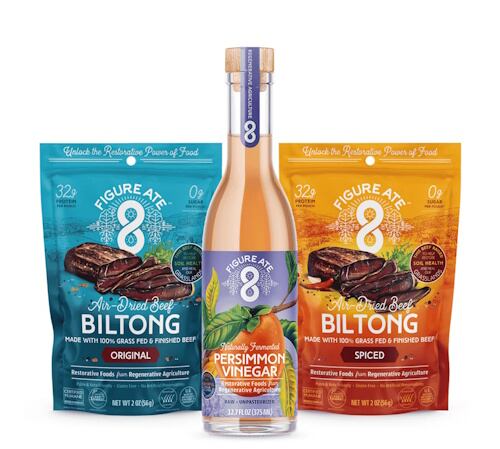
Figure Ate Foods takes that thinking into protein. Its South African-style biltong ($11.99 for 2oz) is made from 100% grass-fed, regeneratively raised beef, sourced from ranches focused on soil health and biodiversity. The product contains no sugar, hormones or antibiotics, and is air-dried rather than processed, giving it a clean, high-protein profile with minimal intervention.


