


Autumn bakery flavour opportunities explained
- Familiar flavours gain fresh appeal through dessert mashups, contrasting textures and combinations such as banana with brown butter.
- Pistachio’s online popularity varies by format, making product choice as important as the ingredient itself.
- Fig, cranberry, cherry and citrus offer ways to balance rich seasonal bakery with sharper fruit notes.
Pumpkin spice makes autumn easy to sell, but it can also make the bakery fixture painfully predictable. When every seasonal range leans on the same warming spices, manufacturers leave shoppers choosing between similar products dressed in different shades of orange. There’s a stronger opportunity in flavours that deliver autumn’s richness without making another muffin taste like last year’s.
PAUL’s autumn collection shows how much room there is outside that formula. Its UK range includes tiramisu millefeuille, Dubai raspberry cake and red fruits and fig cheesecake, using coffee, nuts and fruit across recognisable pâtisserie formats. Meanwhile, Délifrance’s 2026 flavour research highlights dessert crossovers, sweet-savoury combinations and sharper fruit notes, giving bakery businesses several routes beyond another seasonal spice blend.
British Bakels’ autumn/winter 2026 forecast reinforces the breadth of choice. Salted caramel leads its top ten, followed by cherry, caramelised biscuit, pistachio and banana, with tiramisu, salted maple, brown butter, pumpkin spice and matcha completing the ranking. The challenge is making those ingredients distinctive enough to justify a new purchase when many already appear in everyday bakery ranges.
“Familiarity is a powerful driver in sweet bakery, but familiar doesn’t have to mean predictable,” says Dan Jones, marketing manager at British Bakels. “What we’re seeing for autumn and winter is established flavours being given new relevance through different pairings, formats and finishes.”
Manufacturers can take that further by examining which combinations are attracting attention, how bakeries are using them and whether the finished product offers enough difference to earn its shelf space.
Familiar desserts are getting a sharper makeover
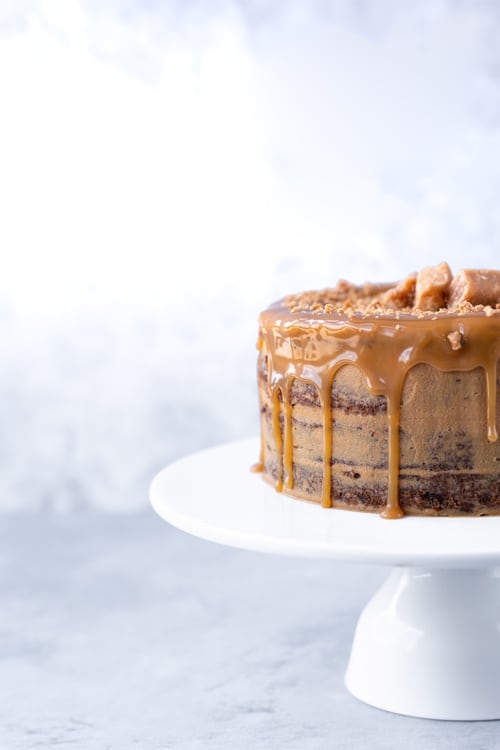
Tiramisu has the advantage of a recognisable flavour identity that isn’t tied to one format. Délifrance’s analysis drawing on 2025 social listening with Ipsos Synthesio reports 4.8 million interactions around cheesecake tiramisu and 3.5 million around tiramisu cookies, with mentions of the latter rising 67%. Those figures measure online engagement rather than sales, but they show interest extending beyond the original dessert.
PAUL’s tiramisu millefeuille puts that crossover into a commercial bakery product, layering crisp pastry with coffee-flavoured pastry cream and mascarpone Chantilly, finished with apricot glaze and cocoa powder. It retains enough of both desserts to make the combination understandable, while changing the texture and presentation.
Cargill’s autumn bakery outlook also puts texture alongside flavour, with culinary advisor Amanda Haubrock highlighting stuffed cookies, crunchy inclusions, creamy fillings and marshmallow components among the ways to refresh familiar seasonal products. Its flavour watchlist includes apple, maple, pecan, chai and dulce de leche alongside pumpkin spice, tiramisu and pistachio, giving manufacturers scope to vary both the taste and structure of a seasonal range.
The company’s consumer research gives that emphasis on texture some commercial backing. In its 2025 Southeast Asian indulgence study, covering 4,250 consumers across five countries, 70% said they were willing to pay more for unique tastes and 79% for distinctive textural experiences. Among Indonesian biscuit and cookie consumers, two in five wanted indulgent mix-ins and textures such as fluid centre fillings and chocolate coatings – attributes that require more than a new flavour name on the pack.
PAUL’s combination of coffee intensity, creamy filling and crisp pastry is therefore a more substantial proposition than applying a tiramisu flavour to an otherwise unchanged cake, giving manufacturers specific attributes to assess when adapting the idea for chilled, frozen or ambient distribution.
Caramel offers similar scope, provided sweetness doesn’t overwhelm everything else. Délifrance reports a 52% increase in salted caramel mentions across formats and a 61% rise in maple mentions in its flavour analysis. It also identifies maple moving into glazes and savoury applications, illustrating how a familiar sweet ingredient can support different eating occasions.
Kerry’s Canadian 2026 analysis identifies maple, cranberry and butter tart among returning local favourites, while highlighting butter’s premium role in bakery. Brown butter’s growing presence is particularly relevant to autumn, with its nutty, toasted character adding depth to familiar cakes and pastries. British Baker’s 2026 flavour report highlights examples including Cakesmiths’ brown butter, caramel and cinnamon cake and brown butter pastry in Waitrose’s 2025 Brandy Buttercream Mince Pies.
Jones also points to caramel with smoked notes, banana with brown butter or custard, and maple as a way to refresh established favourites. These combinations allow manufacturers to build on flavours shoppers already understand, although the balance needs to survive the actual recipe and production process.
Pistachio needs more than a green filling

Pistachio’s visibility can make it look like an automatic winner, yet the numbers suggest manufacturers should be more selective. Puratos reported in February that its online popularity had grown 72% over the preceding year, with particularly strong traction in the US, India, UK, Canada and Turkey. It also said growth was beginning to stabilise as applications spread beyond Dubai chocolate.
Within that analysis, online mentions of pistachio croissants fell 36% over the preceding quarter, while mentions of pistachio buns and rolls rose 13% and 15%, respectively. Peanut still generated almost 2.5 times as many mentions as pistachio, which ranked behind both peanut and almond. Pistachio may dominate the photographs, but peanut’s much larger presence should give manufacturers pause before they equate visibility with market size.
PAUL’s Dubai raspberry cake takes pistachio beyond a straightforward chocolate pairing, combining chocolate sponge, pistachio buttercream, raspberry jelly and a crisp Dubai chocolate layer, finished with freeze-dried raspberry pieces. Fruit and crunch give the product additional points of difference, rather than leaving pistachio to carry the entire proposition.
Chestnut provides an established alternative for manufacturers exploring richer nut flavours. Angelina’s Mont-Blanc combines crisp meringue, light cream and chestnut paste vermicelli, while its cherry-hibiscus version introduces a fruit-and-floral compote. The cherry-hibiscus variation gives an established chestnut pastry a sharper, more aromatic finish without losing the identity of the original.
Japan offers another interpretation of autumn richness through sweet potato. Starbucks’ most recent Japanese launches use Beni Haruka sweet potato in chilled drinks, including a mousse tea latte based primarily on Darjeeling and Assam. The company explicitly acknowledges the lingering heat of early autumn, showing why seasonal ingredients needn’t be restricted to hot products or heavily spiced recipes.
Fruit can rescue autumn from sweetness overload
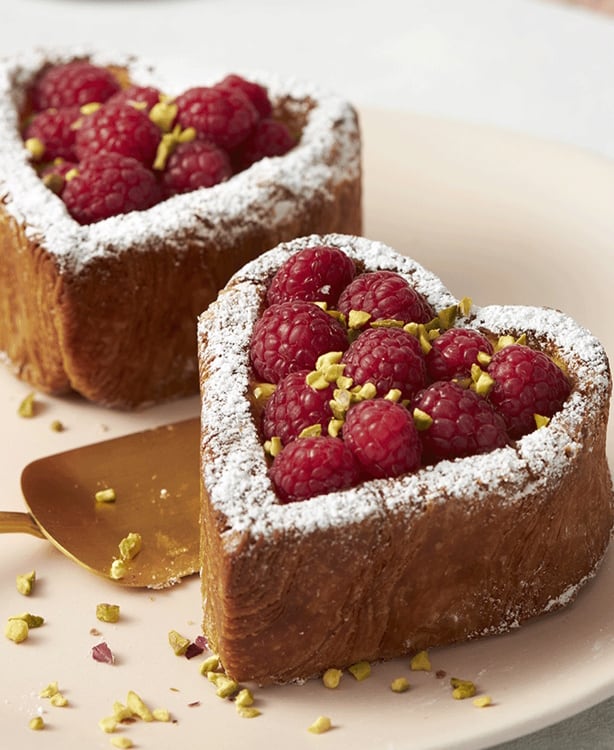
PAUL’s red fruits and fig cheesecake gives autumn a broader fruit vocabulary, combining figs, black grapes, redcurrants and pomegranate seeds with rosemary and apricot glaze. Its seasonal character comes from the fruit selection and presentation, leaving room for something more varied than caramel, cinnamon and chocolate.
Délifrance also identifies fig among the fruits attracting interest in its 2026 flavour analysis and suggests fig jam with goat’s cheese on toast as an autumn pairing. That extends the possibilities into savoury bakery, where fruit can bring sweetness to cheese fillings and toppings without pushing the whole product into dessert territory.
Puratos’ winter 2026 forecast reports around 56,000 online mentions for cranberry and orange zest and approximately 60,000 for gingerbread spice. Its analysis also highlights cherry with chocolate, suggesting that sharper fruit flavours can sit comfortably beside established seasonal indulgence.
Manufacturers need to make those contrasts survive beyond the tasting session. A fruit layer needs sufficient flavour to register against chocolate or buttercream, while a crunchy inclusion must retain its texture through storage. Adding more components also increases costs and production demands, so consumer testing should establish whether shoppers notice the difference and will pay for it.
Pumpkin spice doesn’t need to disappear but repeating it shouldn’t substitute for understanding a market. Autumn ranges have room for coffee, fig, chestnut, maple, roasted tea and sharper fruit pairings – provided manufacturers can turn the inspiration into products shoppers recognise, enjoy and buy again.


