


Key takeaways:
- Food and drink brands are increasingly using cafés, restaurants and immersive retail to build cultural relevance beyond the supermarket shelf.
- Temporary pop-ups and branded experiences give manufacturers faster consumer feedback and stronger social media visibility than traditional advertising alone.
- From PepsiCo and Nutella to Taco Bell and Guinness, experiential concepts are becoming a new battleground for loyalty, fandom and premium positioning.
There was a time when the biggest ambition for a food brand was winning an extra facing in the supermarket aisle. Now, producers are chasing something far less tangible – attention, cultural cachet and the kind of online buzz that can turn a limited-time pop-up into a global talking point overnight.
The new battleground is stranger and far more theatrical. PepsiCo has now opened two Lay’s restaurants; Nutella became a breakfast café; Oreo moved into milkshakes, desserts and merchandise; and Guinness turned its brewery into one of Ireland’s biggest tourist attractions. What links these concepts isn’t hospitality in the traditional sense, but the idea that a food brand can become a place, an atmosphere and a social experience rather than simply a product on shelf.
PepsiCo’s Lay’s Potato Restaurant in Shanghai is the latest example to sharpen the point. The temporary site, in the city’s trendy Xintiandi district, takes one of the world’s most recognisable crisp brands and drops it into a restaurant setting, with potato-led dishes, chef collaborations and interiors designed for social media as much as dining. It follows PepsiCo’s earlier Lay’s hospitality concept in Madrid and suggests the company is testing how far a snack brand can stretch before it stops looking like a snack brand altogether.
That makes the trend relevant well beyond crisps. Bakery, snacks, beverages, confectionery, dairy and foodservice are all asking versions of the same question: when shoppers are harder to reach, loyalty is thinner and social media rewards spectacle, can a physical experience do what an advert cannot?
Why experience is suddenly worth the money

Experiential marketing has always promised engagement, but the numbers are becoming harder for multinational food groups to ignore. EventTrack data frequently cited across the industry suggests 70% of consumers become repeat customers after interacting with a brand in person, while 85% are more likely to make a purchase after attending a live brand experience.
The attraction is obvious. A supermarket fixture reaches shoppers already in buying mode. A pop-up, café or immersive store reaches consumers while they are travelling, socialising, scrolling or actively looking for something worth sharing online. In an era when TikTok can turn a single dessert or drink into a global trend overnight, physical spaces have become media channels in their own right.
These concepts also provide manufacturers with something increasingly valuable: instant feedback. A limited edition flavour launch can take months to analyse through retail data, while a branded café reveals almost immediately which products consumers photograph, queue for, post about and ignore.
There is geography in this shift, too. Shanghai, Seoul and Tokyo have become testing grounds for retail concepts that blur the lines between hospitality, entertainment and commerce. Consumers in these cities are already familiar with themed cafés, immersive stores and limited run collaborations, making Asia an increasingly influential laboratory for global food and drink brands.
1. PepsiCo turns the crisp into a restaurant

PepsiCo’s Shanghai Lay’s restaurant pushes the snack brand into unfamiliar territory. Rather than a simple promotional pop-up, the limited time concept turns the potato into the centrepiece of a chef-led dining experience, with dishes inspired by Lay’s flavours and branding woven throughout the space.
The move reflects a wider attempt to elevate crisps beyond their usual role as an impulse buy or sharing snack. Inside the restaurant, Lay’s is positioned less like a packaged product and more like a source of flavour inspiration tied to dining, entertainment and social culture.
The project also gives PepsiCo a relatively low-risk way to test how consumers respond to the brand in an away-from-home setting. A temporary format allows the company to experiment with hospitality, collaborations and premium positioning without the pressure of building a permanent restaurant chain.
2. Cheez-It turns fandom into a sleepover
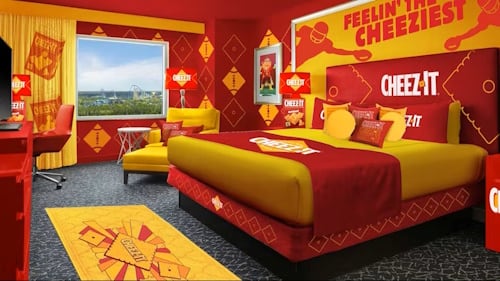
Cheez-It pushed experiential branding into sports hospitality in 2022 through its ‘Feelin’ the Cheeziest’ hotel room campaign tied to the Cheez-It Bowl and newly renamed Cheez-It Citrus Bowl.
The activation transformed hotel suites for selected college football players into fully branded Cheez-It environments, complete with cracker-shaped pillows, themed lighting, bedside lamps styled like Cheez-It boxes and even Cheez-It-inspired beds. The rooms formed part of the brand’s first-ever Name, Image & Likeness deals with college athletes, extending the sponsorship beyond stadium signage and into the players’ personal experience.
Kellanova also used the campaign to deepen fan engagement. One consumer won the chance to spend the night inside Camping World Stadium ahead of the 2022 Cheez-It Bowl, turning a sponsorship property into an immersive overnight experience designed specifically for social media sharing and college football fandom.
The campaign showed how snack brands are increasingly stretching experiential marketing beyond retail and hospitality into entertainment, sport and influencer culture, particularly as younger consumers become more responsive to participatory experiences than traditional advertising.
3. Nutella gives the spread a front door

Ferrero entered experiential hospitality in 2017 with the launch of Nutella Café in Chicago, followed by a second site in New York in 2018. The concepts helped establish the idea that a supermarket product could become the centrepiece of a dedicated dining experience, with menus built around waffles, crepes, pastries, toast and drinks layered with Nutella.
The New York café closed during the pandemic-era upheaval across hospitality and retail, while the Chicago location remains open. The contrast reflects the challenge many branded cafés faced once novelty faded and footfall patterns shifted after Covid-19.
Part of the appeal was familiarity. Consumers already knew the product, allowing Ferrero to focus less on explanation and more on indulgence, presentation and atmosphere. Oversized desserts and heavily branded interiors turned a cupboard staple into a social-media-friendly destination.
4. Oreo sells the ritual, not just the biscuit
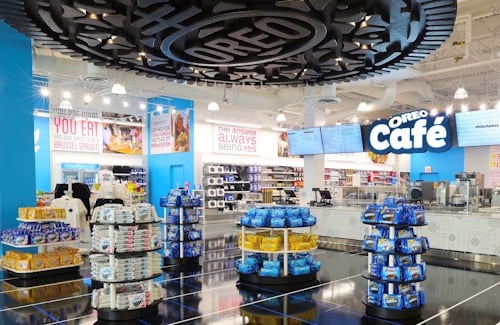
Oreo’s experiential push has centred on cafés, dessert bars and retail concepts that extend the ritual already associated with the biscuit – twist, dunk, crumble, blend and share.
The best-known example opened at New Jersey’s American Dream mall in 2019, combining customised desserts, milkshakes and merchandise in a highly visual environment built for younger consumers and tourists.
The strategy keeps one of Mondelez’s oldest brands culturally relevant. Oreo doesn’t need rediscovery so much as reinvention, particularly among consumers who increasingly expect food brands to operate across retail, entertainment and digital culture simultaneously.
5. M&M’s turns confectionery into tourism

M&M’s took a more permanent route into experiential retail. Its large-format stores in destinations including London, New York, Las Vegas and Shanghai function less like sweet shops and more like branded attractions.
The London site opened in Leicester Square in 2011 and quickly became one of the area’s busiest tourist retail destinations. Personalisation stations, oversized character displays and exclusive merchandise transformed the confectionery brand into a full-scale entertainment experience.
The model has proved particularly effective for confectionery because chocolate and sweets already carry strong associations with gifting, nostalgia and playfulness – emotions that translate naturally into immersive retail.
6. Kellogg’s makes cereal social
Kellogg’s entered the café space in 2016 with Kellogg’s NYC, followed by a London cereal café shortly afterwards. At the time, the idea of paying for cereal in a café environment attracted scepticism, but the concept anticipated many of the trends now driving experiential food retail.
Customers could customise bowls with toppings, sauces and premium ingredients while posting brightly coloured creations across social media. The cafés reframed cereal as something interactive and highly personalisable rather than purely functional.
Both concepts eventually closed, with the New York site shutting in 2020. Yet the experiment helped show how legacy grocery brands could generate renewed attention by moving familiar products into unfamiliar settings.
7. Coca-Cola keeps building memory around a drink
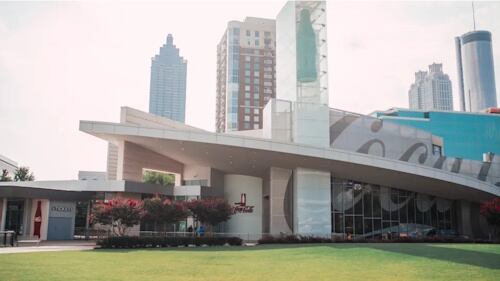
Coca-Cola has spent decades refining the art of experiential branding through visitor centres, flagship stores and tasting attractions built around the company’s history and global flavour portfolio.
The World of Coca-Cola in Atlanta, which opened in 2007, remains one of the clearest examples of a beverage company turning itself into a tourism experience. Visitors move through interactive exhibits, branded environments and tasting rooms designed to reinforce the emotional side of the brand.
For legacy soft drink companies facing sugar reduction pressures and rising competition from functional beverages, immersive spaces offer something supermarket aisles cannot: time with the consumer.
8. Starbucks makes coffee theatrical
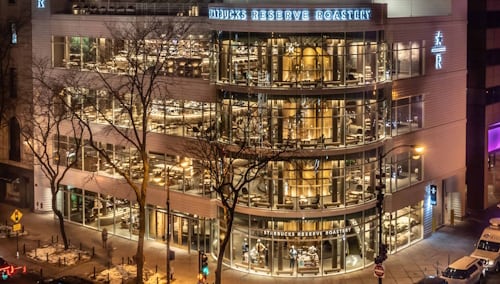
Starbucks pushed experiential beverage retail into luxury territory with its Reserve Roasteries, beginning with Seattle in 2014 before expanding to Shanghai, Milan, Tokyo, Chicago and New York.
The giant spaces combine coffee roasting, cocktails, premium bakery, merchandising and dramatic interiors intended to encourage lingering rather than grab-and-go purchasing.
The Shanghai Roastery, which opened in 2017, became especially influential because it demonstrated how foodservice spaces could double as tourist attractions and social media backdrops. The format has since shaped premium café design globally.
9. Guinness shows the power of brand tourism
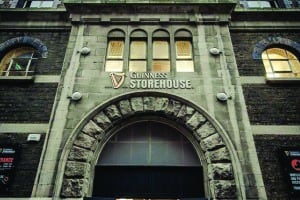
The Guinness Storehouse opened in Dublin in 2000 and has since become one of Ireland’s biggest tourist attractions, drawing millions of visitors through a mix of brewing history, hospitality, retail and immersive storytelling.
The experience works because it reinforces the product occasion itself. Visitors learn how Guinness is brewed, engage with the company’s advertising heritage and finish with a pint overlooking the city from the Gravity Bar.
For beverage companies with strong heritage credentials, the Storehouse remains the benchmark for how a production site can evolve into a destination.
10. Bakery chains make the shop floor work harder
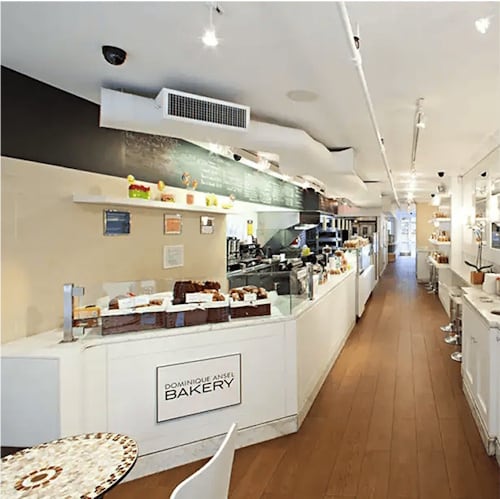
Bakery has developed its own version of experiential retail. BreadTalk, founded in Singapore in 2000, built much of its early appeal around theatrical bakery displays and open kitchens, while South Korea’s Tous Les Jours and Paris Baguette expanded globally through café environments designed as much around lifestyle as baked goods.
In the US, Dominique Ansel Bakery became internationally famous after launching the Cronut in 2013, creating queues that stretched around city blocks and helping establish the blueprint for social-media-driven bakery hype.
Levain Bakery followed a similar path, turning oversized cookies and recognisable store aesthetics into destination experiences for tourists and influencers alike.
11. Lindt, Hershey and Jelly Belly turn sweets into attractions
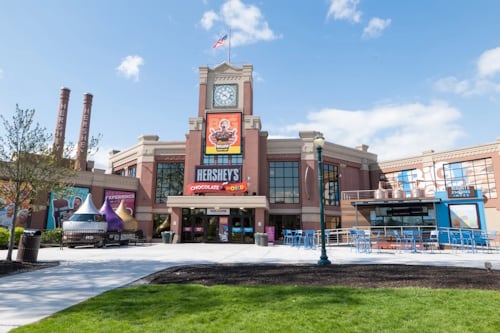
Confectionery visitor centres and brand homes have long understood the pull of sugar, colour and nostalgia. Hershey’s Chocolate World opened in Pennsylvania in the 1970s and evolved into a full-scale visitor attraction, while Jelly Belly’s California factory tours became a popular family tourism destination.
Lindt has also expanded branded retail and experiential formats in key tourist locations, using tasting zones, premium gifting and immersive merchandising to elevate chocolate beyond supermarket retail.
These spaces allow confectionery companies to sell exclusives, merchandise and premium formats that sit outside traditional grocery channels while strengthening emotional connections with consumers.
12. KitKat turns chocolate into customisation
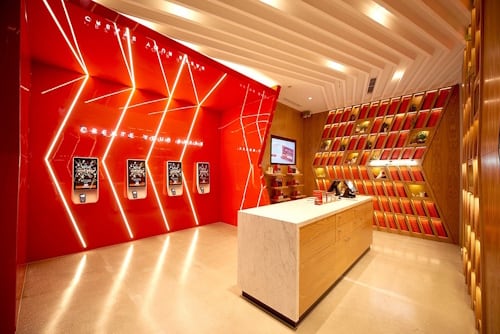
Nestlé expanded KitKat beyond confectionery retail through its KitKat Chocolatory concepts, first launched in Japan before expanding into markets including Australia and Canada.
The stores allow consumers to personalise chocolate bars with different flavours, toppings and packaging, turning a familiar impulse purchase into a premium gifting and experiential product.
The format proved particularly successful in Asia, where consumers have shown strong appetite for limited edition flavours, seasonal launches and highly visual food experiences.
13. Barbie, Netflix and the wider fandom economy
Food brands are increasingly borrowing ideas from entertainment and licensing. Barbie-themed cafés surged alongside the 2023 film release, while Netflix launched immersive dining experiences tied to its most popular shows.
Temporary gaming cafés, anime collaborations and character-themed dessert bars have become especially common across Asia, where limited run concepts regularly attract long queues and viral online attention.
The success of these activations highlights how quickly hospitality can become part of fandom culture when scarcity, nostalgia and social media align.


