


Key takeaways:
- El Diablo shows how intentional flavor design – not just flashy visuals – is at the core of Anthony Randello-Jahn’s viral success.
- The Donut Daddy converts digital reach into real-world demand by creating emotional, experience-driven moments that make fans travel for his donuts.
- His philosophy of ‘pleasure done properly’ champions transparency, craft and indulgence as essential pillars of modern bakery innovation.
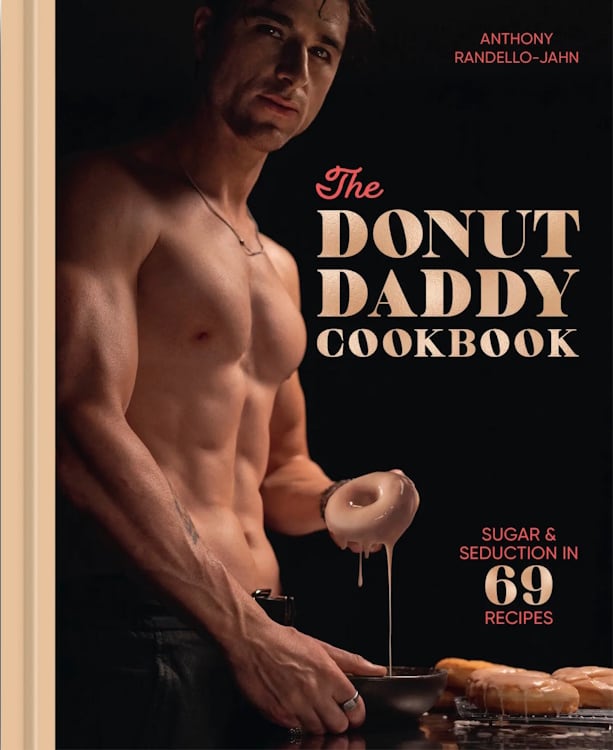
Anthony Randello-Jahn has the sort of online presence you encounter whether you’re looking for him or not. One second you’re scrolling past a cat video and the next there’s a donut being absolutely drowned in a glossy, blood-red glaze under lighting borrowed from a cologne commercial. Then he shoots that unmistakable look into the camera – playful, brazen, fully aware he’s just made you stop scrolling. And if you’ve seen the cover of The Donut Daddy Cookbook, it’s obvious he’s not dialing anything down. It looks like a romance novel escaped into the baking aisle and decided it liked the attention.
What’s funny is how different he sounds once the camera is off. Before millions started tuning in – with his biggest video reaching 12 million views – Randello-Jahn was running Levain Doughnuts and Jamm’d Dessert Bar in Melbourne, quietly refining the indulgent style that eventually made him The Donut Daddy. The persona is loud; the person, far more methodical. He talks about flavor like it’s the backbone of everything he touches.
And nowhere is that clearer than in El Diablo, his limited-run collaboration with Trejo’s Donuts. On the surface, it looks like a Halloween fever dream: a black cocoa donut filled with a chili-blood orange gel and finished with a blood-splatter glaze that could’ve been storyboarded by a special effects team. But he built it with intention, not theatrics. “Anyone can make a donut that looks wild, but the real challenge is making one that actually tastes incredible,” he says. “The smoke, the citrus, the heat, they all had a reason to be there. I always start with flavor first. The visuals come after, to help tell the story.”
That flavor-first approach carries into The Donut Daddy Cookbook, out February 3, 2026. It leans into his cheeky persona – 69 recipes, split into chapters like Foreplay and Decadent Desires – but beneath the wink-wink packaging is someone deeply attached to the craft. He wants readers to feel something when they cook from it, not just snap the photos.
Flavor with purpose
For someone known for dramatic pours and slow-motion drizzle shots, Randello-Jahn is surprisingly direct about where his ideas begin. He doesn’t start with visuals at all. He starts with feeling. “Bakers should ask themselves what emotion they want people to feel before they even start designing something,” he says. It’s not the kind of line you typically hear in R&D meetings, but it tracks once you taste his work.
El Diablo isn’t a mash-up of trending ingredients; it’s structured like a flavor arc. “When I mix influences, it’s not about fusion, it’s about respect,” he says of the Mexican notes running through the donut. The citrus hits first, pulling you in. The chili doesn’t shout; it creeps in after, warm rather than aggressive. The black cocoa drags everything into a darker, moodier place. Even the smoke has a role. It’s not there to make the video pop – it’s there because it deepens the actual flavor.
It’s the kind of layering that separates a viral stunt from a donut people remember. Randello-Jahn knows the visuals will do their job; he’s just making sure the bite lives up to the promise.
Turning online craving into real-world demand
The most unusual part of his rise is how global it is. Donuts, as any baker knows, hate travel. They go stale fast, they collapse if you look at them wrong and they certainly don’t want to cross oceans. Yet Randello-Jahn’s audience spans continents and fans routinely fly in just to meet him or catch a limited drop.
He credits that to emotion rather than reach. “Reach doesn’t mean anything if people don’t feel something,” he says. “You can’t ship a fresh donut across the world, but you can make someone crave it.” The videos aren’t intended to replace the product; they’re meant to spark desire. Enough desire, ideally, to get someone into a shop.
“For bakeries, that means creating experiences, not just selling products,” he says. A limited run becomes an event. A new flavor becomes a storyline. He treats releases almost like episodes – each one carrying a little anticipation, a little drama, a little of that wink the internet has come to expect from him.
Pleasure without apology
Randello-Jahn’s work is indulgent by design, but he bristles at the idea that indulgence must come with a moral footnote. Dessert is currently stuck in a tug-of-war between sugar taxes, protein-enhanced everything and the question of whether indulgence needs a PR strategy. He doesn’t have much time for that. “Pleasure resonates because it’s real. Everyone wants it,” he says.
His solution is simple: make things worth craving. “Use better ingredients, be transparent and make indulgence intentional. People don’t want less pleasure. They just want the kind that feels worth it. Every ingredient has to earn its place.” Black cocoa sets tone. Chili adds tension. Glitter appears only when it belongs. “The trick isn’t chasing shock value, it’s chasing emotion.”
It explains why his donuts feel theatrical without turning gimmicky. He’s not styling for clicks. He’s building an emotional hit and filming it along the way.
Collaborations that feel real, not rented

For someone with his reach, you might expect a conveyor belt of brand deals. Instead, he’s choosy, sometimes stubbornly so. “The best collaborations feel real because both sides actually care about the outcome,” he says. If he can’t shape a project from the ground up, he’s not interested. “If it feels fake, people see through it instantly.”
That same principle underpins the cookbook. Despite the cheeky framing, it’s not a novelty. “The Donut Daddy Cookbook is the most personal thing I’ve ever done,” he says. Yes, it leans into persona, but the heart of it is emotion, technique and the idea that dessert is allowed to be joyful.
Anthony Randello-Jahn is carving out a lane where flavor, feeling and spectacle all get equal billing. El Diablo sums it up neatly: the drama gets your attention, but the intention keeps it. And maybe that’s the lesson for bakers watching him: start with flavor, follow the feeling and let the visuals flirt on their own terms. Everything else is glaze.


