

Key takeaways:
- Many food brands have sizable YouTube followings yet post so infrequently that their channels appear dormant to both audiences and the algorithm.
- Basic oversights like empty metadata fields, weak titles and unused Shorts formats are holding back visibility far more than brands realize.
- Consistency, clarity and a balanced mix of short- and long-form content are emerging as the biggest drivers of YouTube performance for food makers.
Food brands have never had more fans, more content or more cultural relevance. Yet on YouTube – a platform tailormade for food discovery – many of the world’s biggest bakery, snack, beverage and CPG players are practically whispering. That’s the standout finding in new data from Gourmet Ads, which analyzed 2,500 verified food-and-bev channels and uncovered an astonishing gap between potential reach and actual activity.

The dataset itself reads like a marketer’s dream: an average of 40,720 subscribers per channel, a library of 343 videos and a jaw-dropping 51 million total views. You’d assume brands were harnessing that momentum. Not even close. Only 10.1% posted in the last 30 days. Yes, really – only 1 in 10.
Founder & president Benjamin Christie hadn’t planned to expose an industry-wide blind spot. His team initially ran the analysis to bolster Gourmet Ads’ own YouTube strategy. But the deeper they dug, the clearer the story became: food brands have the ingredients for success, but many haven’t preheated the oven since 2021.
“I’d say the biggest surprise was just how many brands had stopped posting altogether,” Christie says. “We saw hundreds of channels that went all in a few years back, built an audience, then simply stopped adding new videos. It was like someone turned off the tap.” And in many cases, those same brands are still producing fantastic short-form content – just for TikTok or Instagram. Meanwhile YouTube, the platform with the richest long-term payoff, sits underfed.
Why brands are vanishing from YouTube
The inconsistency problem is only the start. Christie’s team found that 20.5% of channels still have stray numbers in their names – ‘FoodBrand123’ energy – while just 46.2% have filled out the Country field in their metadata. These tiny misses might seem harmless, but they compound quickly.
“Metadata is a credibility signal,” Christie explains. “A surprising number of brands skip basic fields. It takes seconds to complete and instantly tells YouTube your channel is active and official.”
The bigger issue is that many brands still treat YouTube like a video storage locker rather than a discovery engine. Christie sees it constantly – plenty of polished brand content gets pushed to TikTok every day yet never lands on YouTube. “If you’re already making great content, publish it everywhere,” he says. “Create a horizontal and vertical version of the same video and synchronize it so you maintain momentum where the long-term value really lives.”
In other words, don’t leave your best-performing platform on the bench.
Once Christie starts talking about low-hanging fruit, the frustration is almost audible. The good news is that everything he highlights is incredibly simple to fix.
“The three biggest misses are keyword-rich titles and descriptions, channel naming consistency and linking your YouTube channel from your own website,” he says.
Let’s start with titles. “I saw a major brand upload a Christmas ad and the title was literally just the brand name. No description. No context. Nothing,” Christie recalls. “YouTube gives you 5,000 characters. Use them. Describe the spot. Add links. Give YouTube something to index.”
Channel names are another persistent sore spot. If the exact handle is taken, Christie says there are countless clean alternatives – @BrandOfficial, @BrandTV, @BrandTube, @TheBrand or geographic variants. Almost anything is better than ‘BrandName481’.
And perhaps the easiest fix of all: link the YouTube channel from your website. “Plenty of brands link to Facebook, Instagram or TikTok, but completely skip YouTube,” Christie says. “If you have an active channel, link it. It’s an instant trust signal for both users and algorithms.”
The easy wins brands keep missing

If there’s one opportunity bakery and snack brands should jump on immediately, Christie says it’s YouTube Shorts. Not as an afterthought, not as a one-off clip, but as the new gateway to visibility.
“Brands see consistent growth when they add Shorts to their strategy,” he says. “Right now most treat them reactively, almost like an afterthought. The big shift is treating Shorts as the front door of your video strategy rather than the side window.”
And for bakery and snack brands, the 60-second format is practically custom-built. “There are so many natural storylines,” Christie says. “People love associating baked goods with homemade traditions. So show the process. Show the teams behind the products. Do quick interviews. Tease seasonal drops. Ask customers about their favorite items. Keep it simple, human and snackable – pun absolutely intended.”
To illustrate just how powerful Shorts can be, Christie offers an example from his own testing. “We uploaded a two-minute video and a 30-second version on the same theme. The shorter one pulled more than 10 times the views. Less is more.”
The industry’s ongoing debate – should brands double down on recipe videos or lean into story-driven, entertainment-led formats? – earns a KISS answer from Christie.
“Frequency is the word that matters most,” he says. “Pick a posting rhythm you can maintain. Daily, weekly, twice a month – the schedule itself becomes part of the strategy.”
As for the mix, Christie is pragmatic. “Recipe content will always perform, but not all your customers are home cooks. You need a blend. Have the recipe content if it’s relevant but balance it with entertainment or story-led formats.”
Playlists, he adds, are a gift. “They make it easy to separate formats so viewers choose what they want.” And above all, test everything. Christie has seen supposedly foolproof creative flop, while unassuming experiments go viral.
Many brands still approach YouTube like TV: reach, frequency, repeat. For giant players, Christie says that’s fine. “Big brands rarely care about clickthroughs. Their goal is: how many people did the branding touch?”
But for emerging brands, the strategy is completely different and far more actionable.
“When the goal is sales, the setup needs to change. Descriptions need URLs. You need a clear call to action at the end of the video. Tell people exactly where to buy – don’t make them figure it out.”
For smaller brands, the measurement funnel should look like this: views → clicks → purchases. It’s direct, transparent and perfectly aligned with what YouTube is built to deliver when channels are optimized properly.
The 12-month roadmap

Christie’s strategic framework breaks into three pillars: Technical + Structural; Planning + Content; and Marketing + Promotional. Each pillar should be owned by a specific person or team.
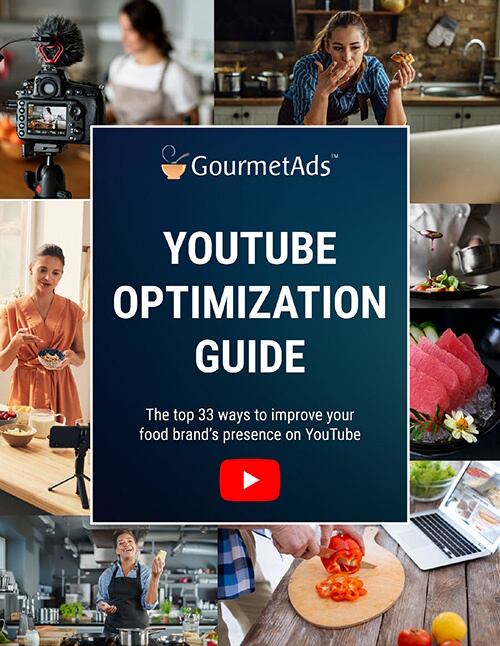
Technical and structural is the fast win. “Fix the basics. Follow the recommendations in our YouTube Guide. Clean up metadata. Update the library. Align your channel with current standards. This should take days or weeks, not months,” he says. A quick quarterly check keeps things sharp.
Planning and Content is the engine. “Set a posting frequency you can actually sustain. One Short a week is a great place to start. Mix your formats. Build playlists. Script themes in advance. Start in January and map the full year – seasonal spikes, new product launches, cultural moments. Leave space for trends and surprises.”
Marketing and Promotional is where discoverability accelerates. “Don’t let your videos sit idle. Share Shorts across Instagram, TikTok, Facebook and LinkedIn. Embed long-form videos into product pages and recipes. Add them to email newsletters.” Even small paid boosts – especially around holidays or launches – help the algorithm understand who your audience is.
His final piece of advice may be the one marketers appreciate most: “When filming, always record more than you need. Build a bank of B-roll. One shoot can give you multiple assets for multiple weeks. That takes the pressure off and keeps the channel feeling active.”
For bakery and snack brands, the message is crystal clear: YouTube isn’t the hard platform. It’s the overlooked one. And according to Christie’s data, the views – millions of them – are already waiting.
Key findings
Average subscribers per channel: 40,720
Average videos per channel: 343
Average total views per channel: 51,043,312
67.5% of channels have published Shorts
20.5% still include a number in their channel name
46.2% have the Country field populated
10.1% posted in the last 30 days; 52.8% posted within the last 12 months
Recipe videos and TV commercials account for 60% of total views
Custom thumbnails average 22% higher CTR than auto-generated images