


Key takeaways:
- The Middle East has become one of the world’s fastest-moving flavor markets, driven by bold consumers who expect constant novelty and impact.
- Taste-led health is reshaping product development, with shoppers demanding functionality without sacrificing flavor or indulgence.
- Foodservice now acts as the region’s real innovation engine, with restaurant hits rapidly translated into retail formats through tighter science and faster turnaround.
Walk around any big Gulf supermarket long enough and you start wondering how brands keep up. Products come and go so quickly that the shelves almost feel alive. One month it’s spicy-sweet everything; the next it’s a run on protein snacks with street-food accents; then suddenly there’s a cold Qahwwa drink everyone’s scrambling to copy. It’s not just fast – it’s experimental.
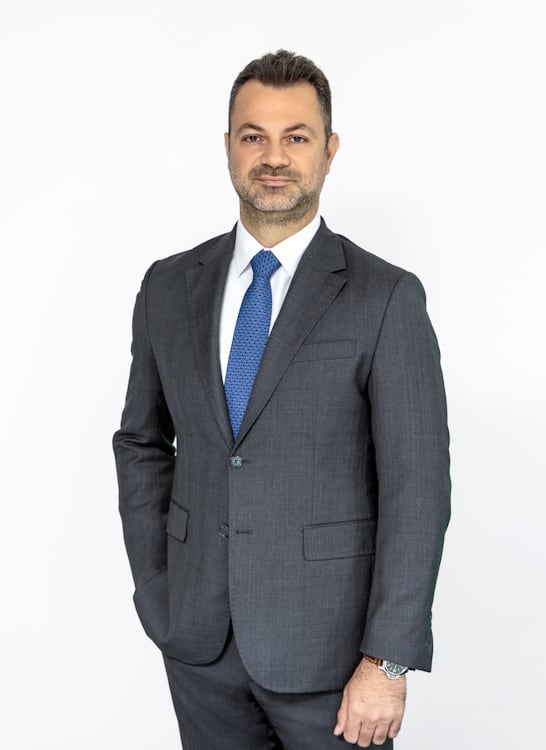
According to İnanç Işık, general manager, Retail at Kerry Middle East, the region’s become “one of the most energetic flavor markets in the world because consumers here don’t wait. They know what good tastes like, and they’re not shy about moving on if something doesn’t hit.” He’s not exaggerating. “If a product feels flat, it’s gone. If it feels exciting, people want it everywhere the next week.”
Işık’s watched this shift happen up close. Younger shoppers in particular are shaping the pace. “They’re global, they’re curious and they don’t care about ‘rules’ when it comes to flavor,” he says. “For them, Korean spice and local grilling culture can absolutely live in the same product. That kind of confidence is new. It unlocks innovation.”
But what really stands out is the speed. A flavor can go viral on TikTok on a Tuesday, get riffed on in a café by the weekend and wind up as a packaged prototype a few weeks later. “We don’t have the luxury of slow cycles,” Işık says. “If something catches fire in foodservice, we need to translate that into retail quickly, or we miss the moment.”
Fusion isn’t a trend: it’s a reflex

Fusion used to be a niche curiosity in the region. Now it’s almost the default setting. And consumers aren’t easing into it gently – they’re expecting it.
“People don’t see fusion as a risk anymore,” Işık says. “They see it as fun. They see it as discovery. And honestly, they’re better at spotting the good ideas than most of us sitting in boardrooms.” The rise of Korean-Middle Eastern hybrids, Nashville-inspired heat levels adapted for local tastes and Gold Brew Qahwwa drinks aren’t corporate inventions – they’re consumer-led.
According to him, this shift is fueled by social media more than anything else. “You’ll see a flavor pairing go viral in the US or Korea or Southeast Asia, and within days we’re getting messages from local customers asking if we can recreate it with a regional twist,” he says. “There’s no lag anymore. Zero.”
But the Middle East doesn’t just adopt global flavors – it amplifies them. “Heat is bolder here. Sweetness is richer. People want layers and complexity. So when we localize a global trend, it doesn’t end up tasting like the original. It ends up tasting like it belongs here.”
That’s how you get Qahwwa hybrids, truffle-tinged snacks that still feel accessible and hot honey formats that lean deeper into spice. They’re mashups, yes, but they’re mashups with identity.
Healthy is fine but it better taste amazing

There’s plenty of talk about health, sugar reduction and ‘better choices’ but Işık says “if it doesn’t taste great, it won’t sell. Full stop.”
He’s not being glib. In a region where indulgence is an expectation, health-forward products can’t rely on willpower. They need to be desirable in their own right. “We call it taste-led nutrition,” he says. “The nutrition is important, but taste has to lead. If you flip that, you lose the consumer.”
This is why protein-forward snacks are getting louder, not quieter. Why reduced-cocoa chocolates still have striking depth. And why sugar-smart baked goods have to eat like the originals. “People want health that doesn’t feel like homework. They want a product that makes them feel good emotionally and physically.”
The real tension isn’t taste – it’s scale. Clean label expectations are rising fast. Price sensitivity is high. And GLP-1 drugs are pushing manufacturers to rethink satiety altogether. “Portion expectations are changing, meal patterns are changing, and people snack more deliberately,” he says. “So products need to deliver more satisfaction in fewer bites.”
But the market moves much faster here than in Europe or the US. “A concept might be niche on Monday and mainstream by the end of the quarter,” he says. “That’s not an exaggeration – that’s genuinely how fast it can flip.”
Turning foodservice hits into retail winners

Foodservice has quietly become the region’s real R&D engine. Chefs try things most brands would never dare to launch on retail shelves. If something resonates, consumers want a take-home version almost immediately. But recreating a restaurant hit in a packaged format is where many brands stumble.
“People underestimate how much gets lost between the chef and the factory,” Işık says. “Texture can disappear, aromatics flatten, heat drops. And then you’re left with something that resembles the original idea but has none of its personality.”
The trick, he explains, isn’t duplication. It’s translation. “We don’t try to copy a dish exactly. We try to understand the soul of it,” he says. “Is it the crunch? The aromatics? The way the heat blooms at the end? That’s what we preserve.”
He brings up the example of Nashville-inspired chicken profiles. “The foodservice versions are wild. They punch hard. So when we translate that for retail, we don’t tone it down to ‘polite spicy.’ We keep the character but build it in a way that survives processing.”
That approach – boldness held together by science – is why some of Kerry’s foodservice-to-retail transitions do more than just sell. They spark entire micro-trends.
“You can’t fake authenticity,” he says. “Consumers taste it immediately.”
The tech that’ll push the next wave

Ask Işık what he’s watching most closely and you won’t get vague futurism – you get specifics.
“Smart-health platforms are going to change everything,” he says. “Diagnostics, personalization, bioscience-driven formulations – the tools exist and they’re only going to get tighter.”
He predicts a world where consumers expect products tailored not just to their health needs but to their taste preferences. “People won’t choose between taste and nutrition. They’ll expect both.”
He’s equally excited about ingredient innovation. “Reduced-cocoa systems are huge for us,” he says. “We’re helping brands cut cocoa by up to 20% without losing taste or texture. That matters a lot when costs swing.” Plant proteins, too, are becoming more regionally relevant. “The off-notes are disappearing, We can use them in formats we avoided before.”
And then there’s automation. “Precision processing is going to let us customize flavors at scale. Imagine delivering perfect heat curves or aroma release across millions of units. We’re not far away from that.”
Through all of it, Işık circles back to one thing: “Taste is the anchor. Always. Innovation only matters if people enjoy the product.”
And that might be the real reason the Middle East has become the fastest-moving flavor lab on the planet. Consumers here expect more: more flavor, more novelty, more purpose. Brands either rise to the challenge or get left behind. There’s no middle lane anymore.
“The region isn’t just catching trends,” Işık says. “It’s shaping them. And honestly, I think the world’s starting to notice.”
