


Key takeaways:
- Solely is capitalizing on the shift toward real-fruit sweetness with a whole fruit approach that aligns tightly with retailer and consumer demand for transparency.
- Founder Simon Sacal’s patented process preserves fruit’s natural flavor, fiber and color – delivering clean label sweetness without additives.
- With the global fruit snacks market set to reach up to $26bn by 2030, Solely is positioned for growth as shoppers move away from over-processed sweet snacks.
Whole Foods Market naming Solely as one of its Next Big Things for 2026 didn’t just validate a rising trend – it put a spotlight directly on founder Simon Sacal’s mission to redefine what ‘sweet’ should mean in modern snacking.
For years, the industry has relied on sweeteners, concentrates and processed bases to satisfy consumers. Solely’s bet is that shoppers no longer want snacks that taste good at the expense of transparency. The La Jolla-based snacks producer believes consumers want the joy of sweet snacking delivered with the integrity of whole food.
The timing couldn’t be better. Grand View Research pinned the fruit-snacks market at around $14.7 billion in 2022, with projections reaching $25-$26 billion by 2030. That’s not niche – it’s a fast-growing global category. Sacal sees Whole Foods’ recognition as evidence that a wider shift is underway. “For us, this recognition is more than a trend callout, it’s a signal that a new era of sweet snacking has arrived,” he says. Consumers still want indulgence, but they don’t want it delivered through “the hidden chemistry experiment that has become status quo in the aisle.”
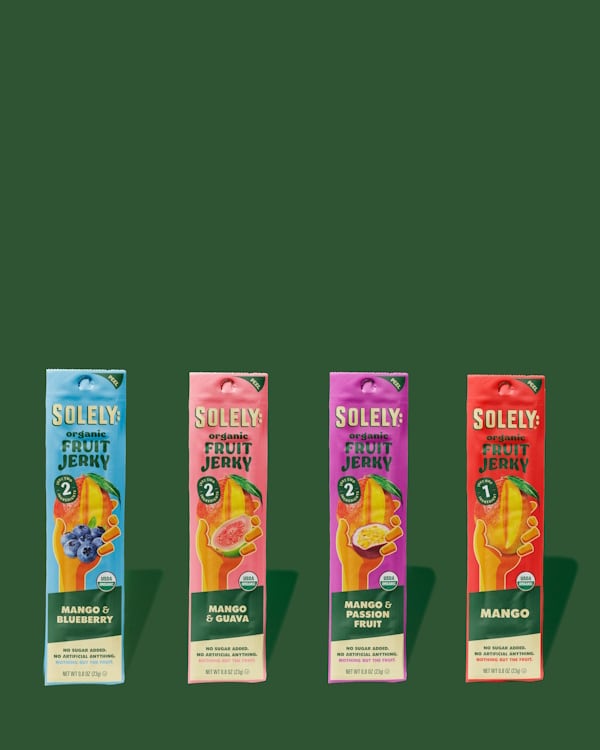
Solely’s response is as bold as it is simple: put fruit first and don’t mess with it. Each Fruit Jerky strip contains just one to three ingredients – often simply one whole mango or half a pineapple – preserved through a patented dehydration process. “When you let real fruit shine, you don’t need to add, dilute or disguise anything,” Sacal says. That philosophy required years of R&D, purpose-built machinery and in many cases, redesigning the supply chain from orchard to pack.
Pineapple poised to dominate 2026
Esarom has named pineapple its Flavor of the Year 2026, citing rising demand for bright, tropical profiles that signal optimism and ‘feel-good’ energy. The flavor house points to a noticeable lift in pineapple-led innovation across snacking, beverages and confectionery, driven by consumers seeking cleaner, fruit-forward indulgence.
Both Mintel and Innova Market Insights have flagged tropical flavors – particularly pineapple – as gaining momentum in global launches, thanks to their associations with freshness, vibrancy and natural sweetness.
Founded in 2014, with the brand first debuting in Mexico in 2016 and later expanding into the US from 2018, Solely has since grown into a sizeable business. Retailers have increasingly gravitated toward its approach. Sugar reduction, sourcing clarity and clean labels are topping buyer priorities, and for the Californian producer, simplicity has become a very effective differentiator.
The fruit-first ethos
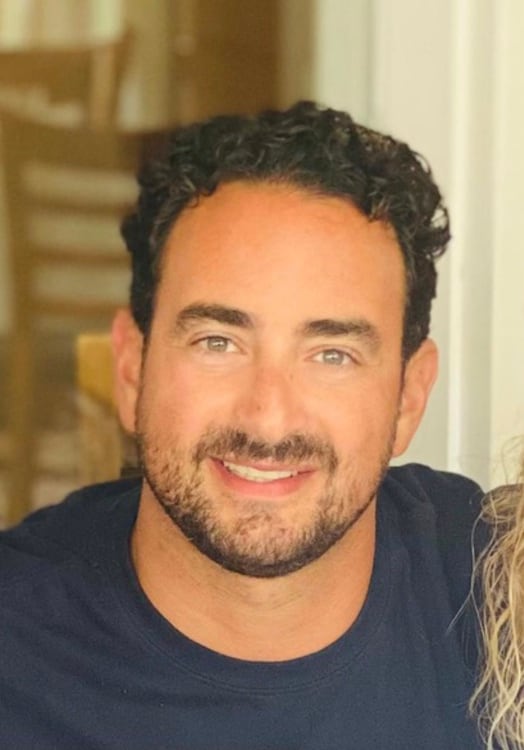
Sacal’s vision began with a question that feels almost rebellious in a category built around engineered sweetness: why add anything to fruit at all?
“The insight really came from a simple but disruptive question: Why are we adding things to fruit that never needed anything added?” he explains. Watching rice cakes dominate the 90s because they were low-fat made him question what health really meant. Years later, that memory became the spark for Solely: not health by subtraction, but nourishment by honoring what real food already offers.
But making that idea viable at scale was far from simple. “There was no playbook,” Sacal says. “We had to invent, and eventually patent, our processing and gentle dehydration techniques.” Instead of starting from purées or ingredients that have been cooked and crushed long before reaching a factory, Solely works with fresh organic fruit, often at peak ripeness thanks to facilities located close to partner farms in Latin America and Mexico.
“Fruit holds a brilliance all its own,” Sacal says. “Our goal has always been to protect that wholeness and shape it for modern life without losing its soul.” That meant building custom machinery, controlling the process inhouse and overseeing every step from farm to pack. The payoff is a snack that mirrors the complexity of the fruit it’s made from because, in Sacal’s view, that’s exactly what it should be.
Retailers have responded strongly to that conviction. “Buyers have been excited about Solely because we’re proving that real fruit, handled with care, can deliver both cleaner labels and less added sugar,” Sacal says. The combination has built momentum across channels, particularly among parents and wellness-minded consumers who look for ingredient lists they can trust immediately.
From transparency to innovation
Solely embeds transparency at the center of its model. “To deliver a product this simple, you must start with exceptional fruit,” Sacal explains. It works directly with farmers across Latin America and Mexico to ensure organic practices, fair labor and full traceability. “Every batch is traceable back to the region and farm where it was grown,” he says. As demand rises, Solely continues investing in those communities to safeguard consistency and fruit quality.
But Sacal believes the biggest opportunities still lie ahead. Four in five American adults fall short of the recommended daily fruit intake (the US Dietary Guidelines advise 1.5-2 cups of fruit per day). That gap is significant and it’s one Solely wants to help close. “We’re only at the beginning of what’s possible,” he says. New formats are already in development, all staying true to its fruit-only ethos. “Without giving too much away, we’re exploring formats that stay true to our ‘whole fruit, nothing added’ ethos while unlocking new eating occasions.”
Part of that future includes using different fruits, exploring whether different parts of the fruit can reduce waste and building products that support satiety, performance and nutritional variety. “Everything we’re building reinforces the same belief: fruit is already extraordinary. Innovation, for us, is about finding thoughtful, natural ways to help people eat more of it.
The momentum around Solely reflects a broader recalibration in sweet snacking. Consumers are questioning over-processed formats, retailers are prioritizing lower added sugar and recognisable ingredients, and fruit-forward products are gaining space as a result. Sacal’s insistence that real fruit doesn’t need reengineering aligns squarely with where the market is moving — toward sweetness that’s simpler, clearer and closer to its natural source.
“It’s where the entire category is headed and Solely is helping lead that shift by proving that snacks made from real food can be both wildly craveable and radically transparent,” says Sacal.


